
The Cruel, Comic, and Curious World of 19th Century Valentines
In mid-Victorian England, the custom of sending valentines was widely understood as an exchange of daintily printed cards between special loving friends— lace-paper confections overflowing with hearts, cupids, flowers and tender verses. These sentimental tokens spoke of affection, admiration and the soft glow of romance.
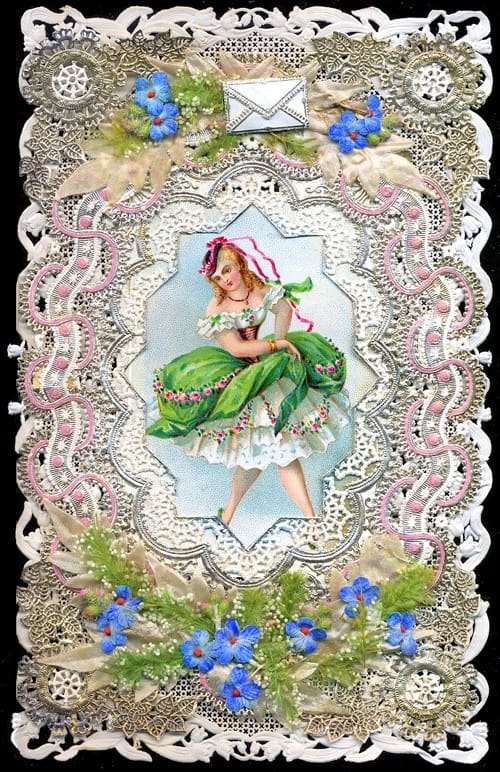
Yet beneath this sweet exterior lurked something far more sinister: the comic valentine. These scurrilous printed sheets catered to the humour of the common and middle classes, where fun and mischief were their chief elements. Far from the tender verses of their prettier counterparts, comic valentines were masterpieces of the grotesque — venomous in humour, rude in intention, spiteful and often designed to be deliberately cruel. Rather than expressing affection, they mocked physical appearance, habits, fashions and moral failings with gleeful malice.
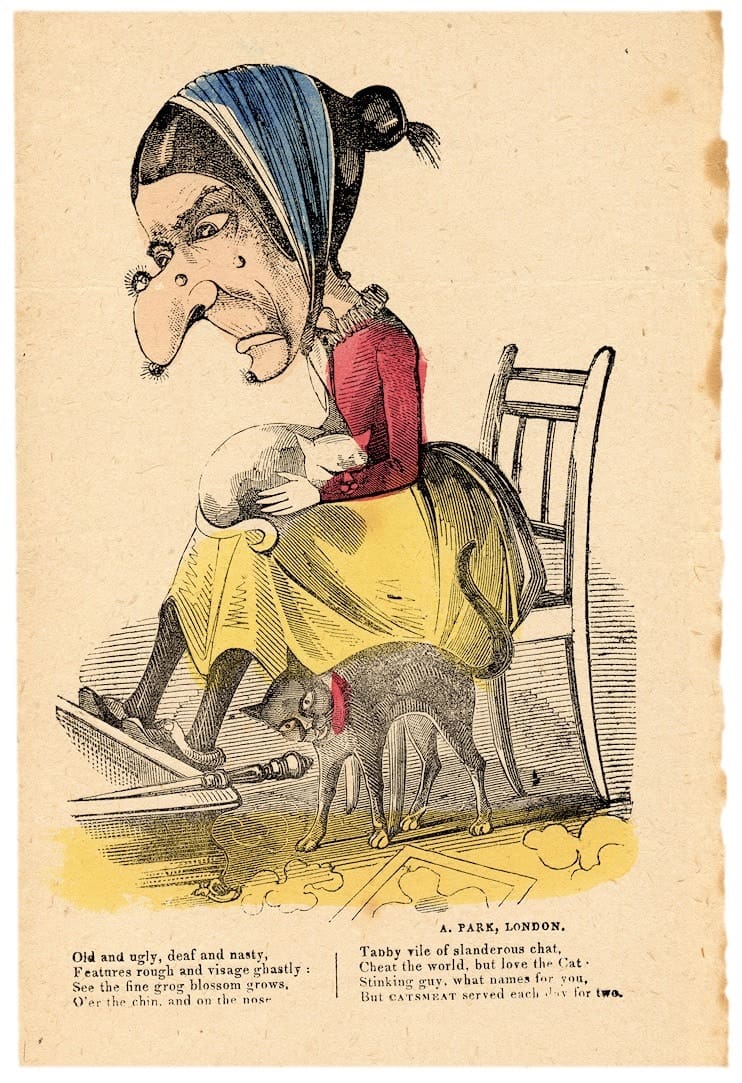
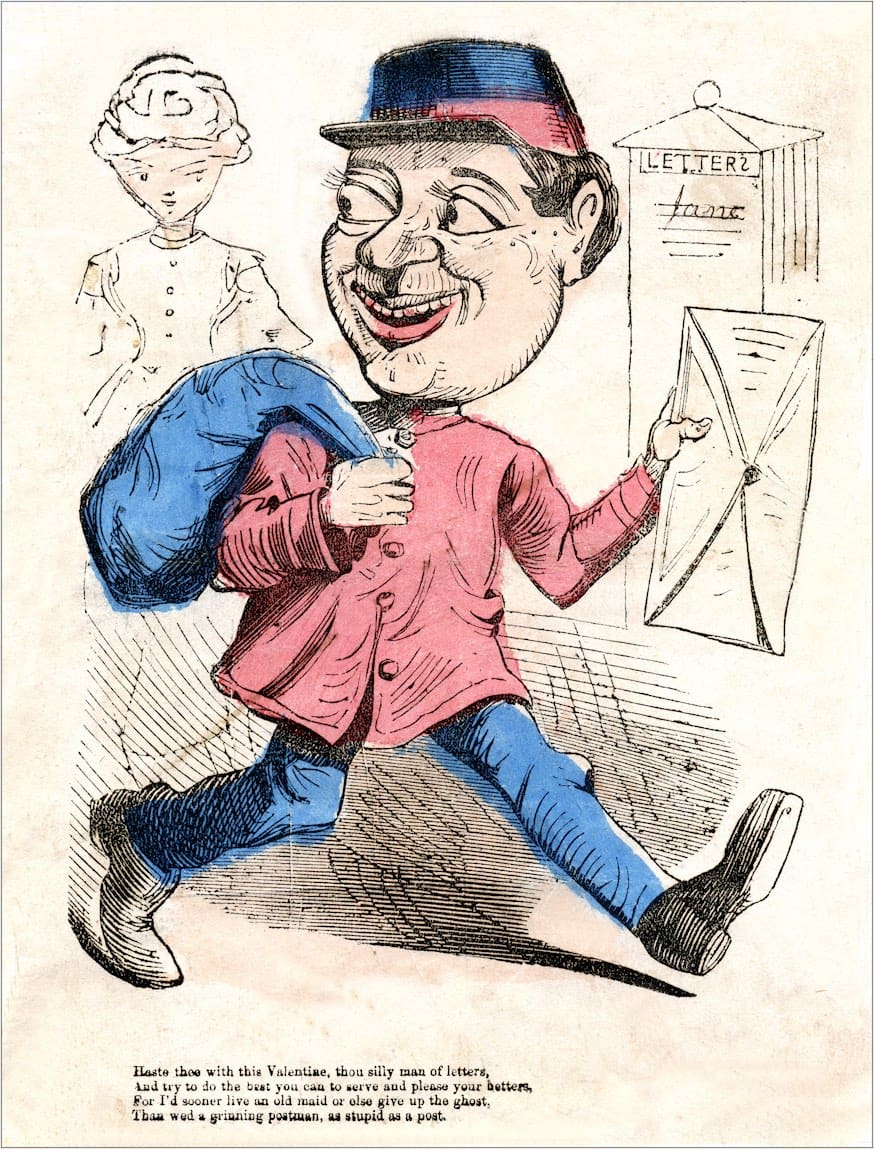
On the 14th of February, the postman’s bag became a heavy burden. As he staggered from door to door under the weight of hundreds of missives, eager recipients watched for the Valentine bringer with fluttering hearts. Many were blissfully unaware that the envelope—often addressed in a disguised hand—contained not a token of admiration, but a crude coloured print on flimsy paper. These caricatures, with their hideous faces and distorted figures, were intended to resemble the unfortunate recipient.
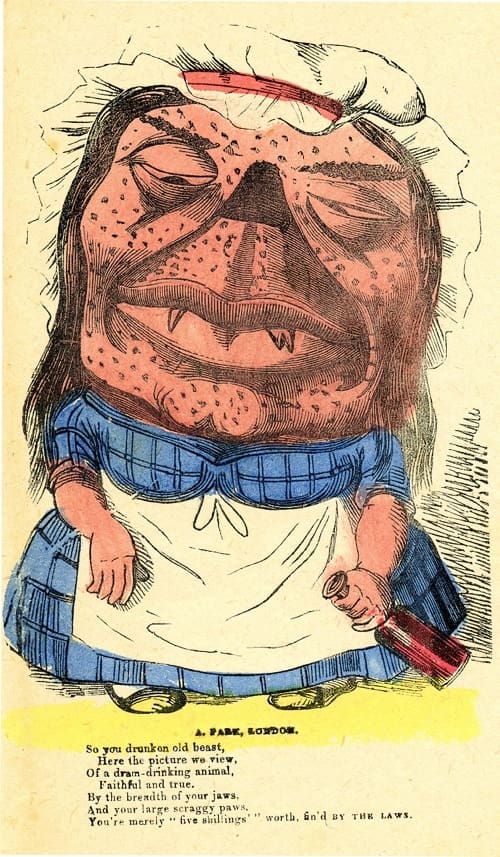
The Victorian temperance movement, strong throughout the century, provided rich material for the valentine makers. Caricatures of drunkenness were a frequent theme. Besotted and benighted—those rendered foolish or pitiable by habitual over indulgence in drink—were common subjects in these satirical sheets.
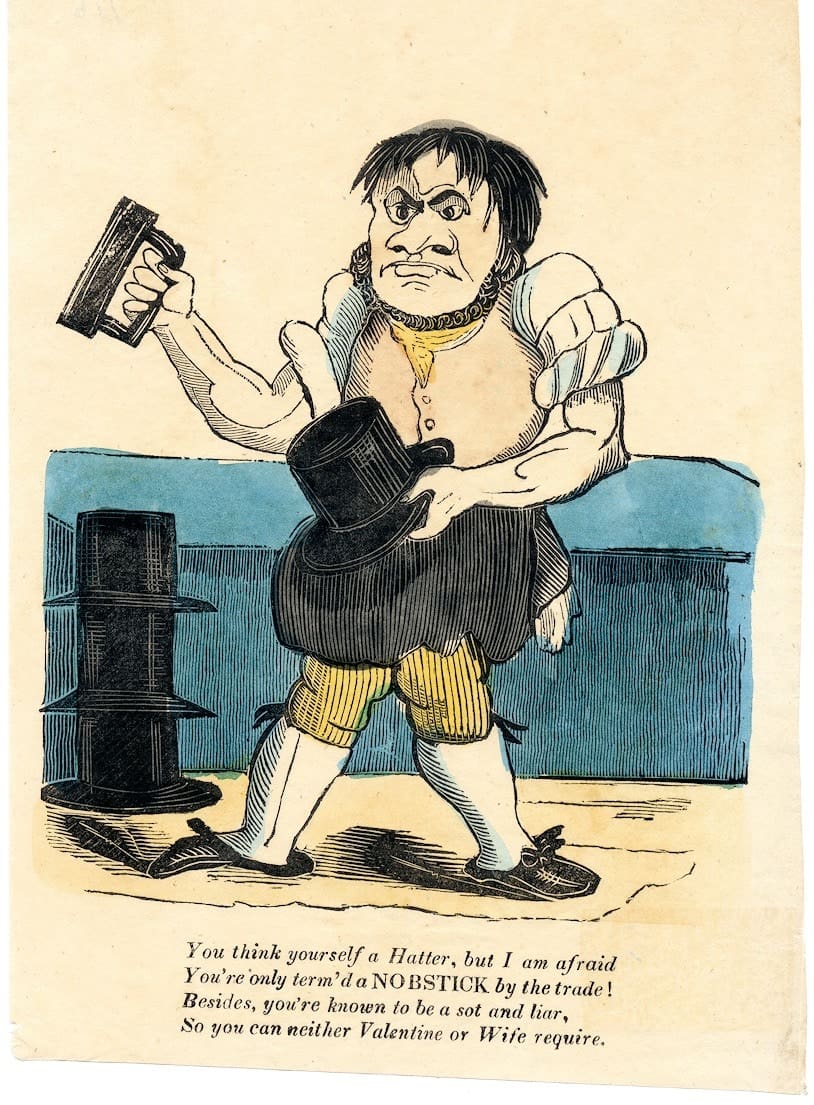
But the mockery did not stop there. Comic valentines often targeted recognisable social types. Some of the earliest examples targeted trades and professions — butchers, shoemakers, milliners, printers or clerks — presenting exaggerated portraits accompanied by verses so uncomplimentary that they were clearly calculated to wound rather than amuse.

Contemporary commentators were well aware of this darker side of the Valentine trade. One newspaper observed:
One of the different forms which a sportive ingenuity has devised for the abuse of Valentine’s Day and its custom of sending through the Post-Office epistolary compliments to the ladies and gentlemen of your acquaintance, makes a considerable display in the lower class of stationers’ shops. It consists of pictures, more or less comical, and more or less resembling any persons you may chance to know, accompanied usually by a few lines of verse, intended to describe their individual characters from a satirical point of view.
While another reviewer notes: But in the family of social life the Valentine Comic makes the sport - so as are the squibs and crackers in November, are the Valentines in February - great guns for the toy shop ! There you see them in every form of the amatory burlesque - in every phase of personality and caricature, and friends and acquaintances, and pretty men and ugly women, and people one has a spite against, and people one has a joke against get letters such as never came before.
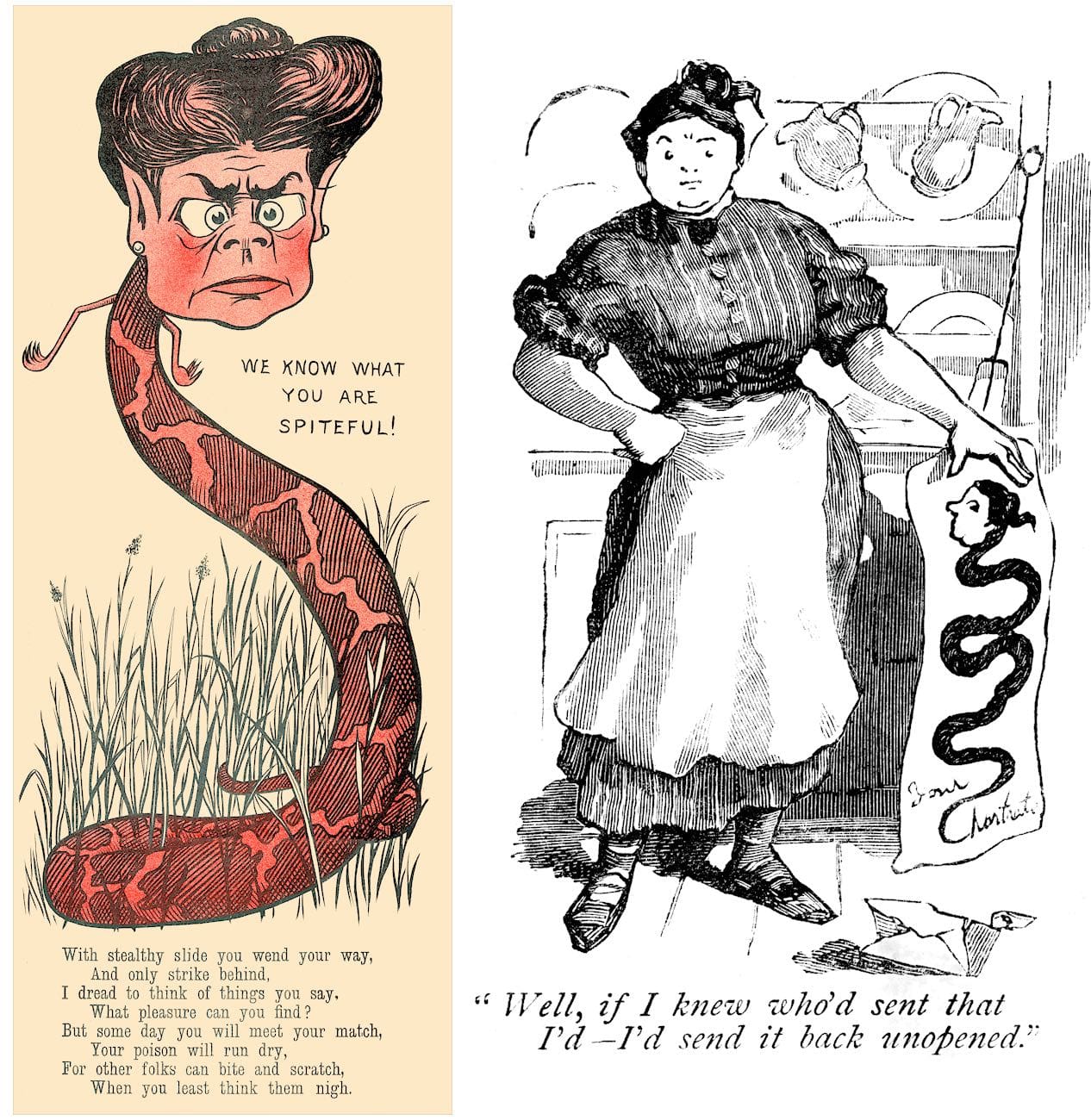
For all their cruelty, comic valentines reveal a great deal about Victorian society — its anxieties, prejudices, moral obsessions and sense of humour. They form a sharp and often uncomfortable counterpoint to the romantic ideal embodied by lace-paper beauties and perfumed verses, reminding us that Valentine’s Day in the nineteenth century could be as much about ridicule and revenge as about love.