
Free from …

[Fig. 1]. © Bodleian Libraries, University of Oxford. John Johnson Collection: Beauty Parlour 3 (34), recto. 1896, 21.0 x 13.4 cm.
Today, whole sections of supermarkets are dedicated to ‘free from’ products. In the 19th century the phrase was common too, but was not associated with allergies. Astonishingly, the word ‘allergy’ didn’t even exist until 1907 in America and 1908 in Britain, although there were, for example, references to puddings without eggs, pastry without butter, bread without yeast and, in general, more digestible alternatives to standard foodstuffs.
‘Free from’ occurs frequently in 19th century advertising in relation to the absence of ‘deleterious substances’. Of these, poisons are the most alarming. They were commonly used in food, cosmetics and domestic products. Examples include mercury in plate powder, arsenic in dyes, glycerine and even colouring for sweets, lead in paint and in glass bottles used for beverages, and strychnine as a substitute for hops in pale ale. More scrupulous manufacturers commonly stressed the purity of their own products. Through a negating statement, advertisements can reveal at a glance not just a problem overcome but the underlying fears of consumers.
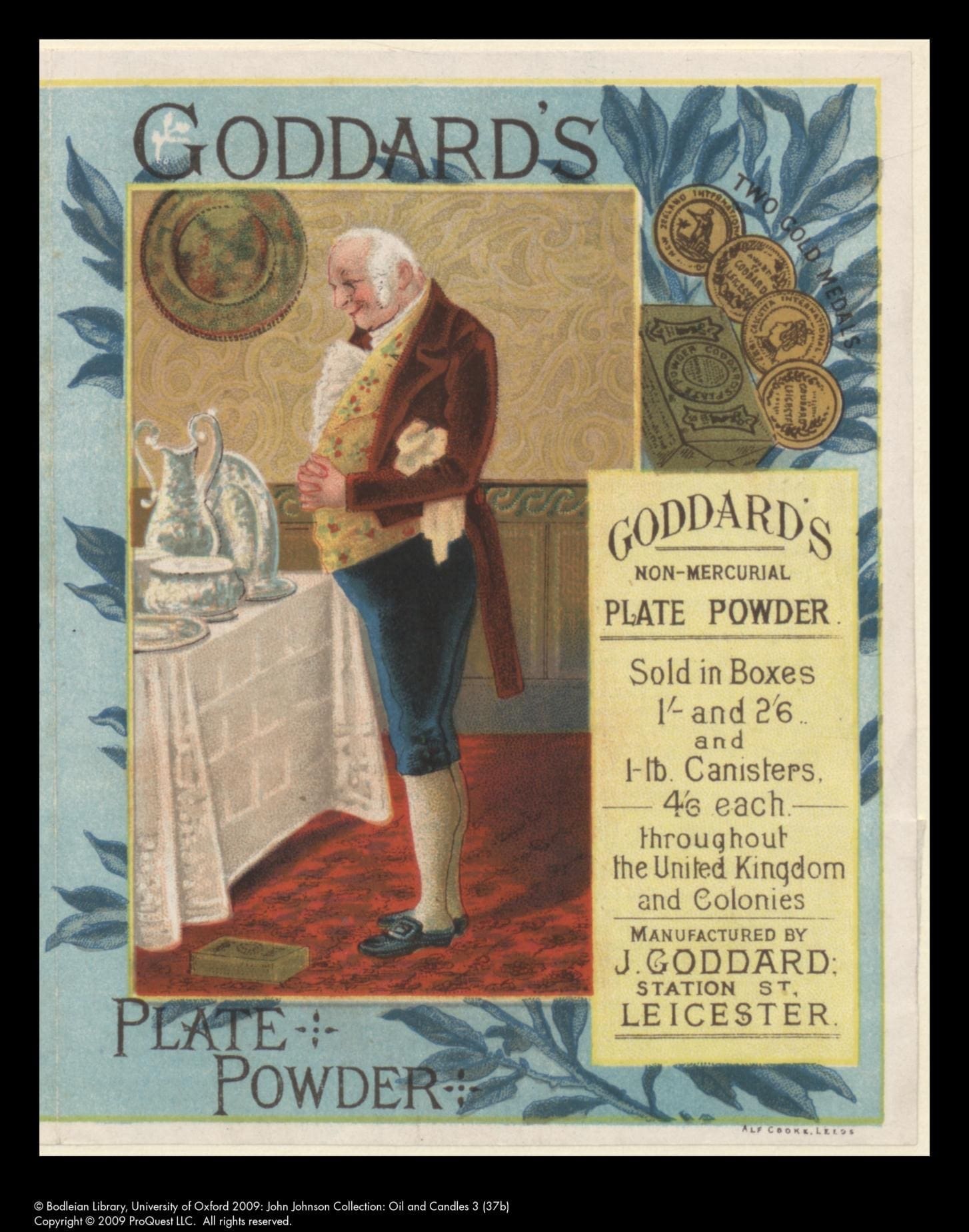
[Fig. 2]. © Bodleian Libraries, University of Oxford. John Johnson Collection: Oil and Candles 3 (37b), [p. 1 of 4]. [c. 1888], 14.0 x 11.0 cm.
The manufacturers of Crawshaw’s dyes all but admitted that they had knowingly used poisonous ingredients in the past, in a revelatory paragraph headed: ‘Are Crawshaw’s dyes poisonous?’
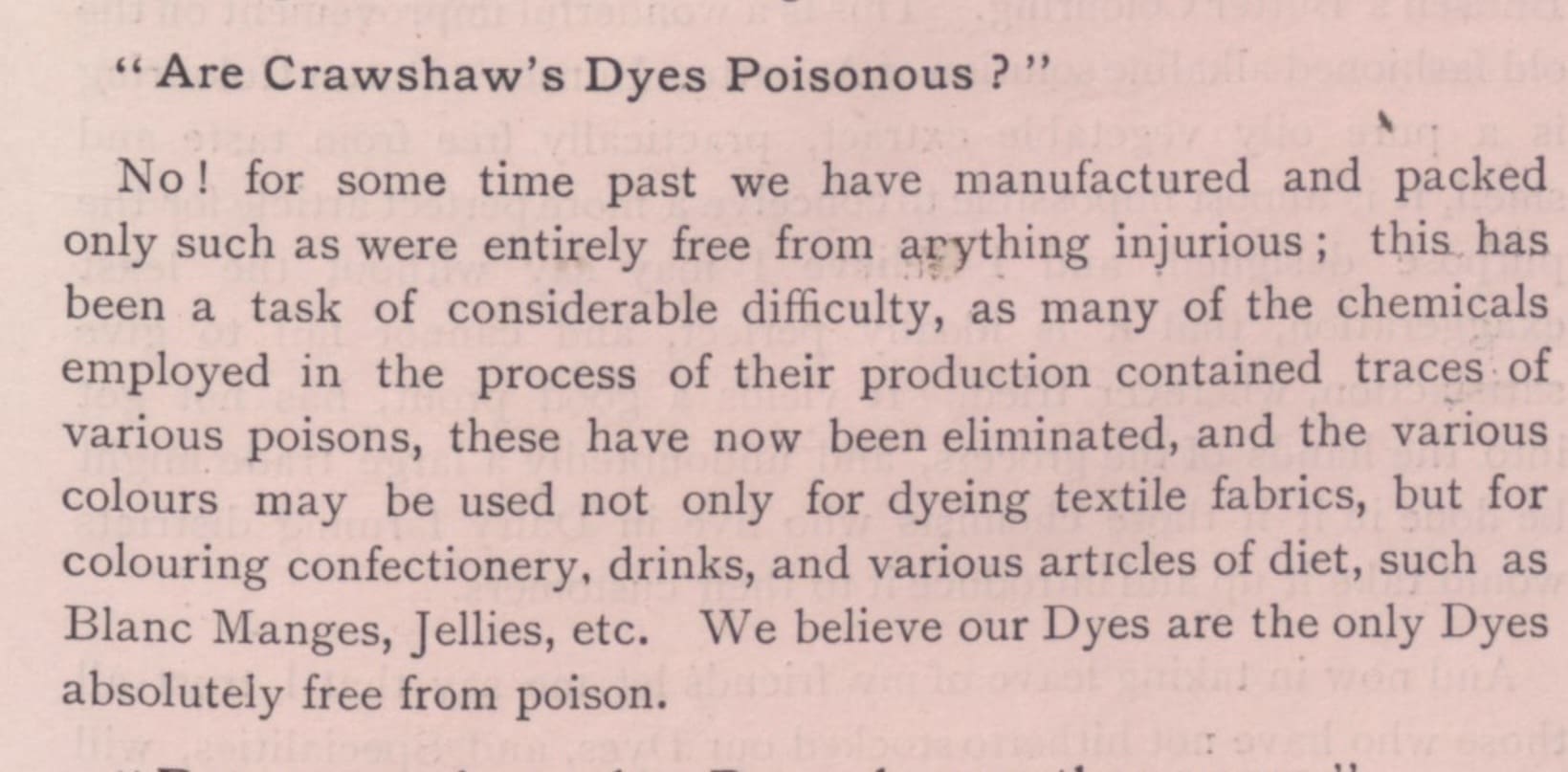
[Fig. 3]. © Detail from ‘A chat with my friends the chemists’. Bodleian Libraries, University of Oxford. John Johnson Collection: Soap 1 (47), [p. 3 of 4]. November 1891, 22.0 x 14.0 cm.
More commonly, manufacturers laid the charge of poisonous ingredients at the door of their rivals, vaunting the purity of their own product. Sparrow’s Leather Sauce, for example, stated that ‘This sauce is free from those dangerous and filthy ingredients which are put into common blacking’.
This die-cut advertisement claims that Price’s Patent Candle Company’s Glycerine is ‘free from arsenic, lead, and earthy salts’.
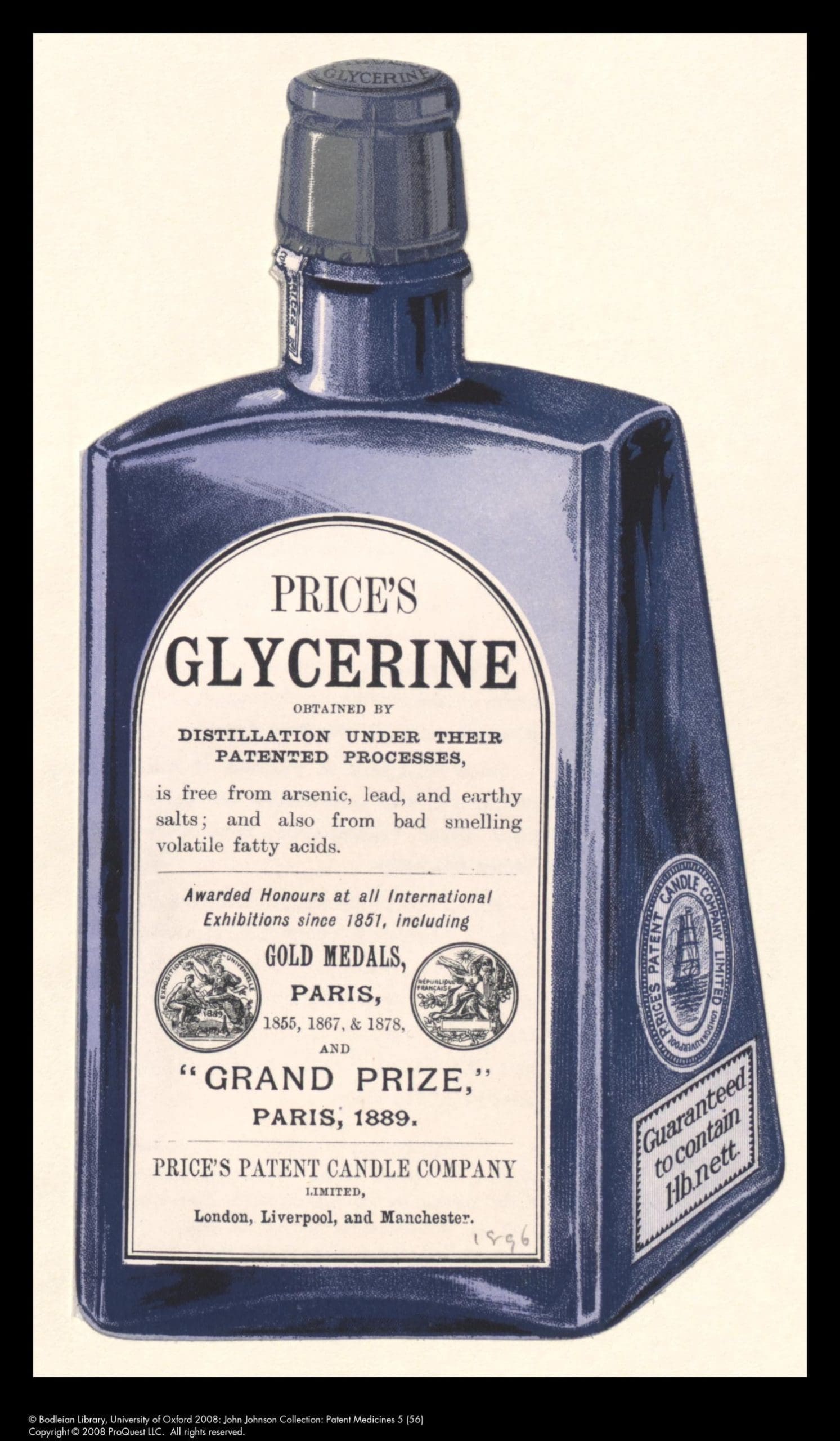
[Fig. 4]. © Bodleian Libraries, University of Oxford. John Johnson Collection: Patent Medicines 5 (56), recto. 1896, 19.3 x 10.8 cm.
Pears’ Soap made much of the contemporary practice of adding poisonous substances, including arsenic, to soap. Several of their late 19th century advertisements carried this warning:
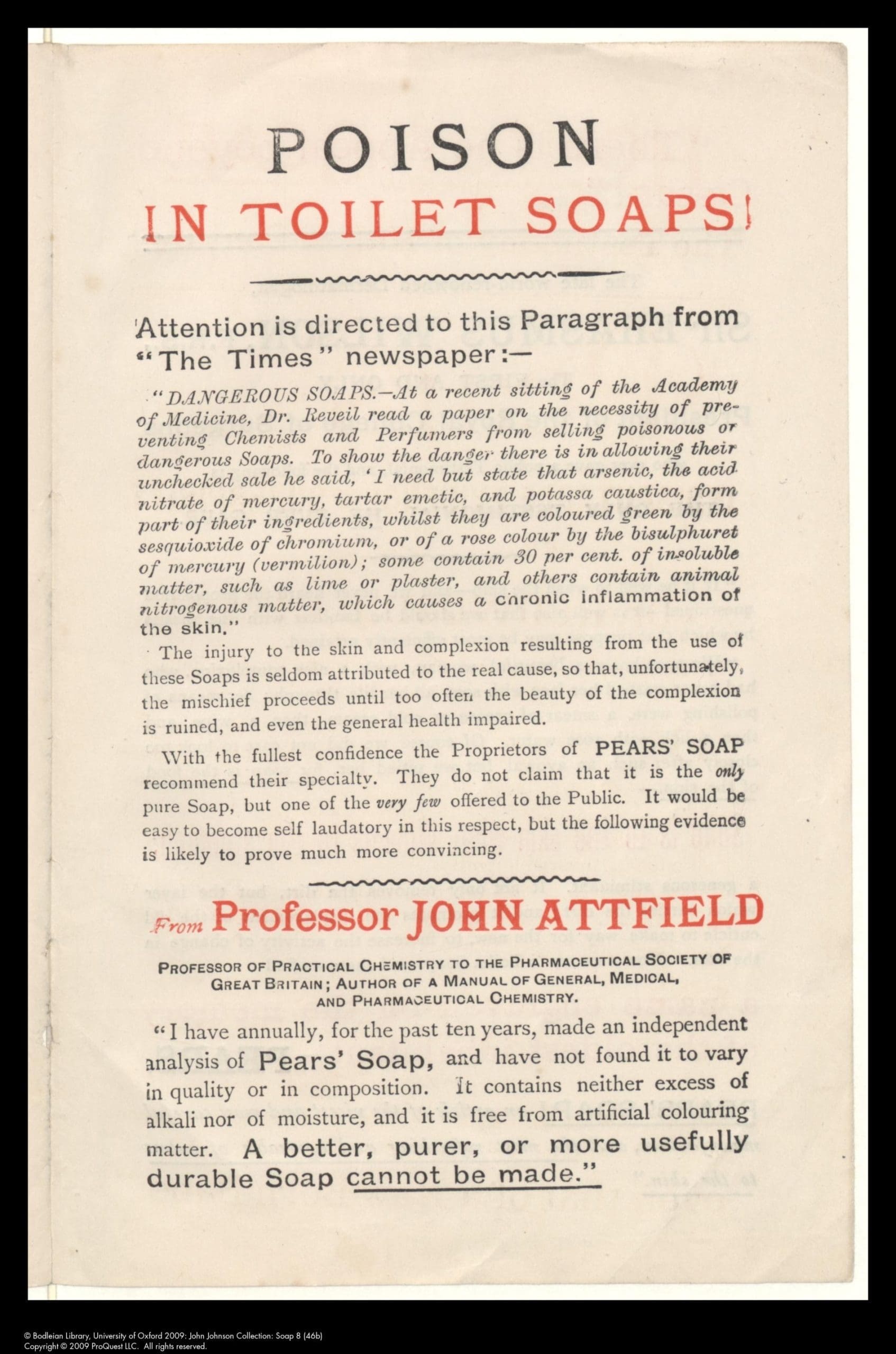
[Fig. 5]. © Bodleian Libraries, University of Oxford. John Johnson Collection: Soap 8 (39a), [p. 3 of 4]. 1890, 22.1 x 14.3 cm.
As arsenic was also used to dye sweets, it is no wonder that Wotherspoon’s Mixtures were so keen to state that their product was ‘free from colour’.
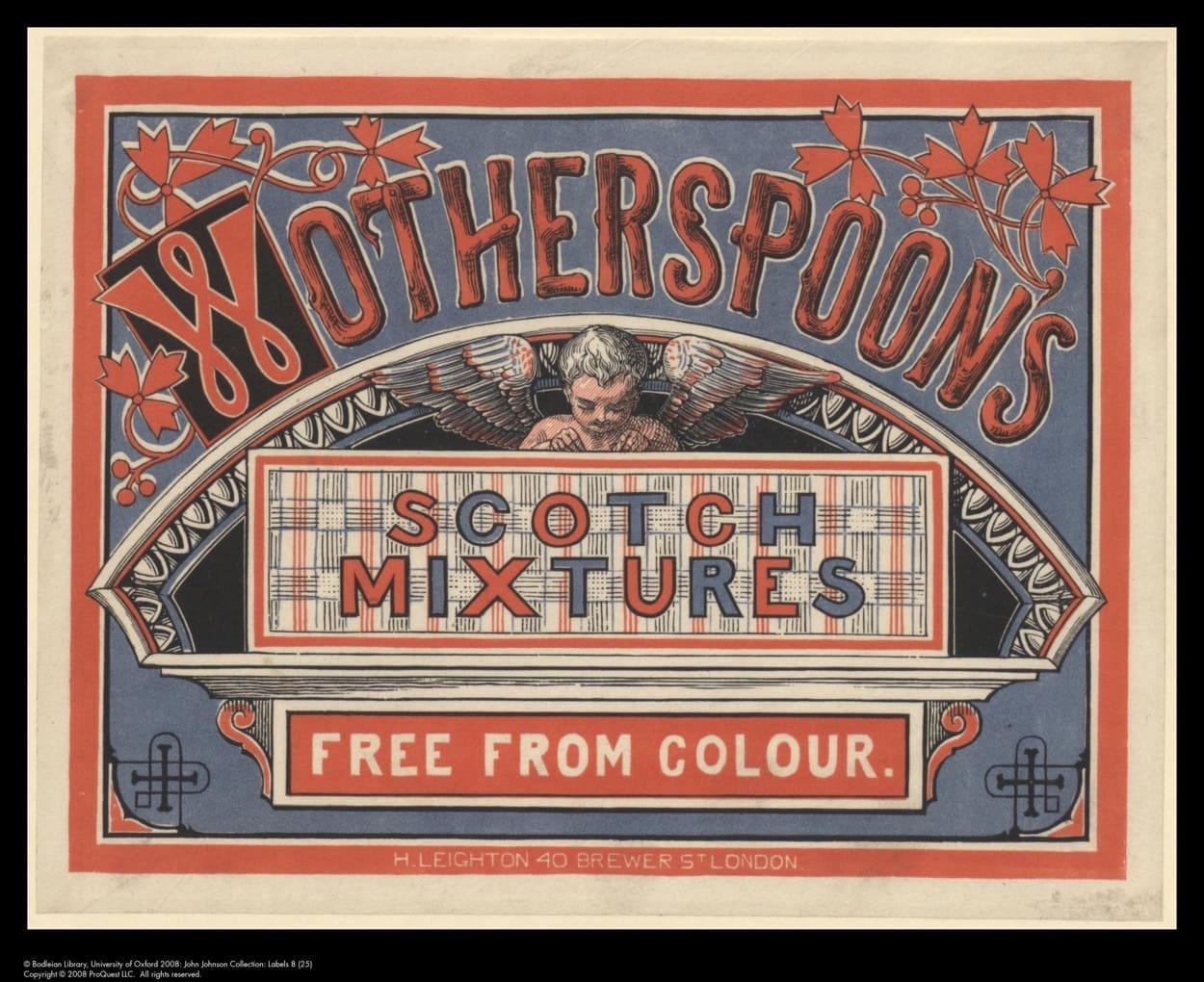
[Fig. 6]. © Bodleian Libraries, University of Oxford. John Johnson Collection: Labels 8 (25), [1 p.]. [1850s?], 16.2 x 20.9 cm.
Acids too were common in household cleaners. In this early 20th century die-cut advertisement “Matchless” Metal Polish was ‘guaranteed to be free of acid, poison or grit’, and therefore would not produce noxious verdigris.
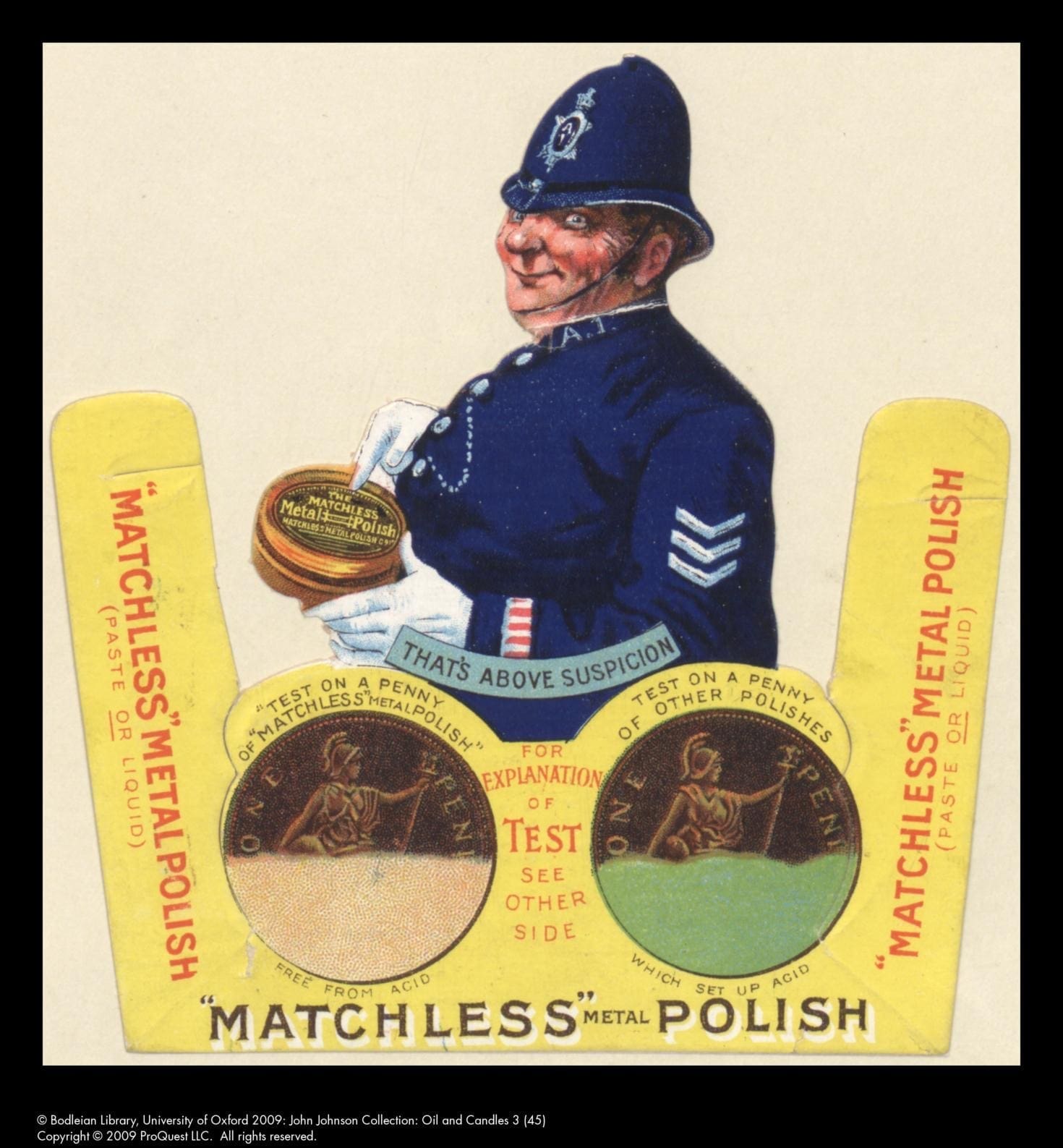
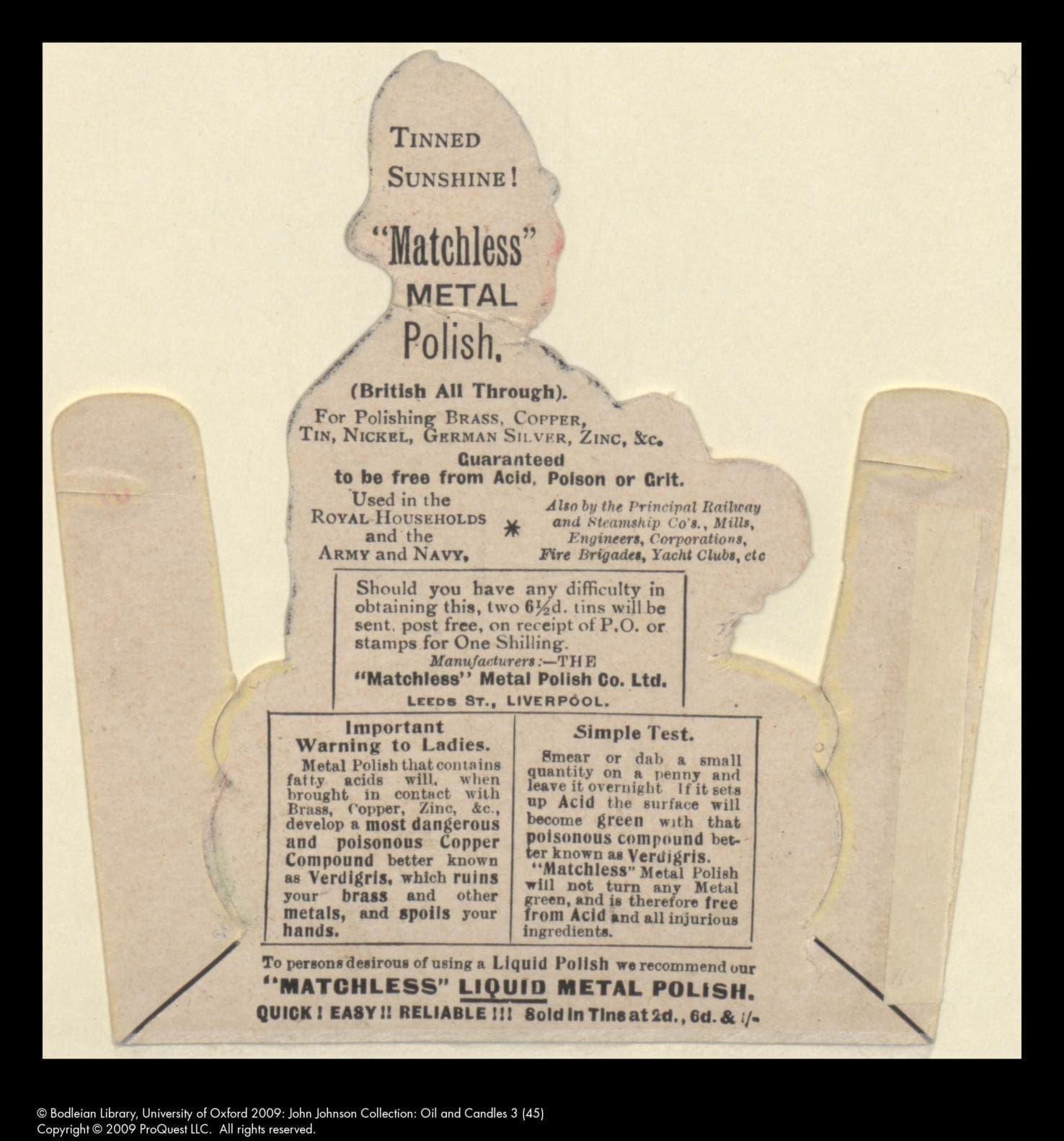
[Figs. 7a, 7b]. © Bodleian Libraries, University of Oxford. John Johnson Collection: Oil and Candles 3 (45), recto and verso]. [c. 1905–1910], 11.6 x 11.3 cm.
The dawning concerns of Victorian and Edwardian consumers foreshadow our own, as we discover the hidden poisons and minute plastic particles in our food and water.
The images in this post are all from ProQuest’s The John Johnson Collection: an archive of printed ephemera. Free to all in the UK, the resource is searchable not only through the accompanying metadata, but also through full-text searching of the images: